Drawing & Painting Concepts


Golden Ratio, Rabatment, and the Rule of Thirds

Golden Ratio

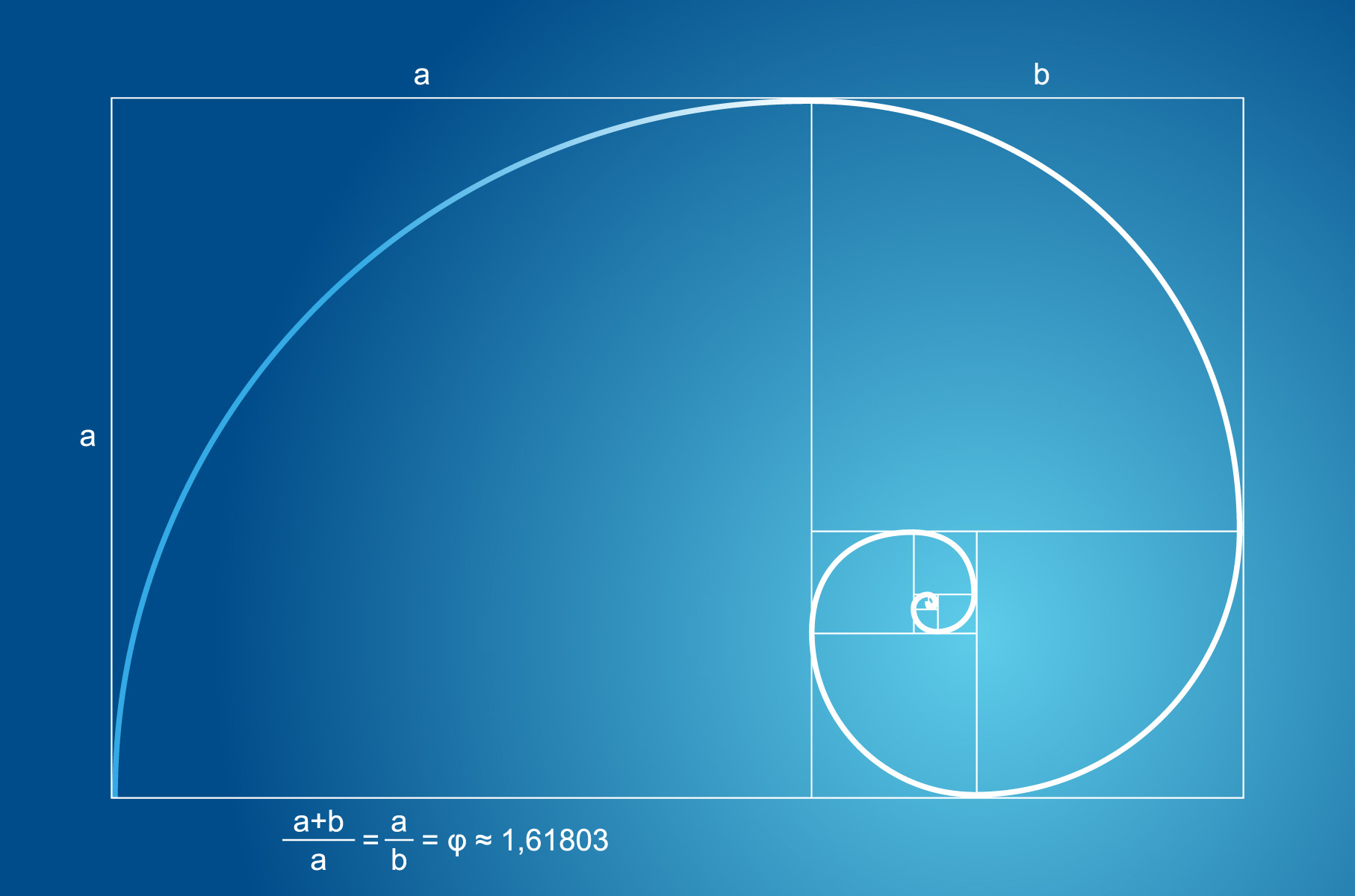
The Golden Ratio is a mathematical ratio found in nature. The Ancient Greeks believed that this ratio represented beautiful proportions. This ratio is often present in living organisms that grow free from illness or disease. Many artists include Renaissance artists like Leonardo da Vinci used this ratio when planning out compositions, again, because it was seen as useful in creating beautiful arrangements or compostions of forms. The golden ratio is is 1 to 1.618... and is represented by the Greek character phi Φ.

Many artists and photographers still use the golden ratio today as a guide in creating their art. Video on the Golden Ratio.
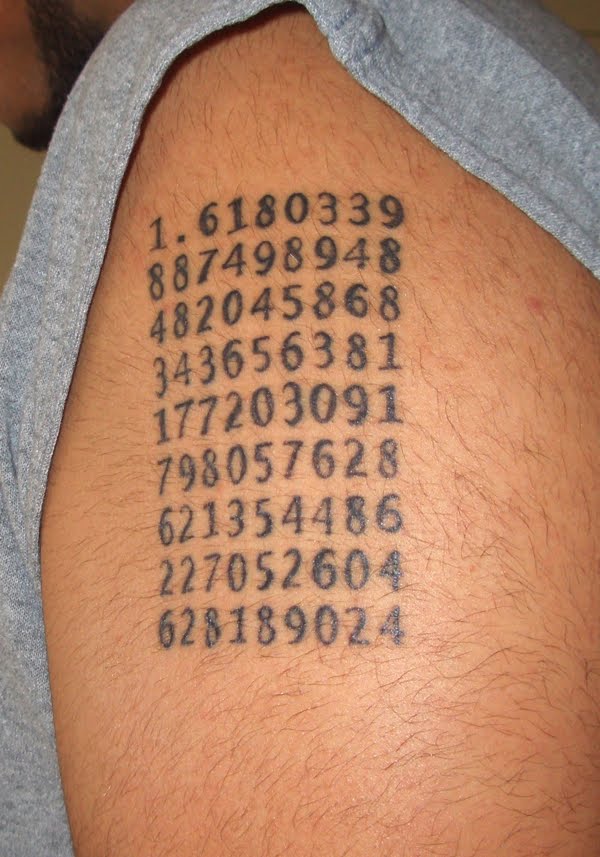
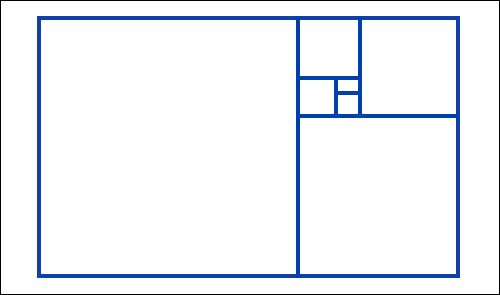
photo of a tatoo of phi listed out to over 20 digits
Someone serious about the pursuit of beauty.

graphic showing phi with squares and rectangles

graphic with the formula for phi as well as the nautilus spiral created by phi

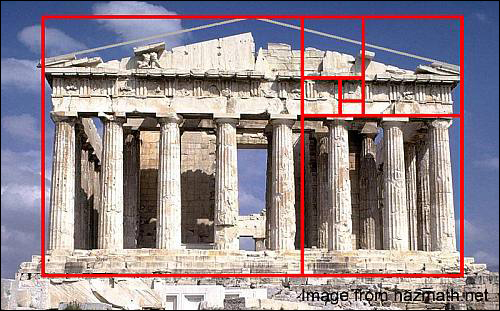
photo of the Parthenon with a graphic of phi rectangles layered over it
The Greeks were among the first to discover the golden ratio. They employed it in their architecture as seen here in this image of the Parthenon from Athens, Greece.

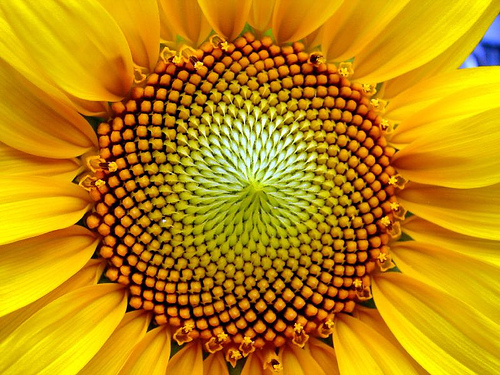
photo of the pattern in the center of sunflower which demonstrates the phi curve

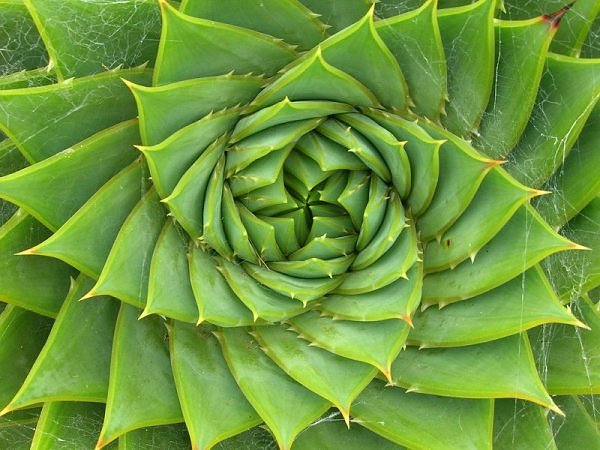
photo of the pattern in a cactus which demonstrates the phi curve

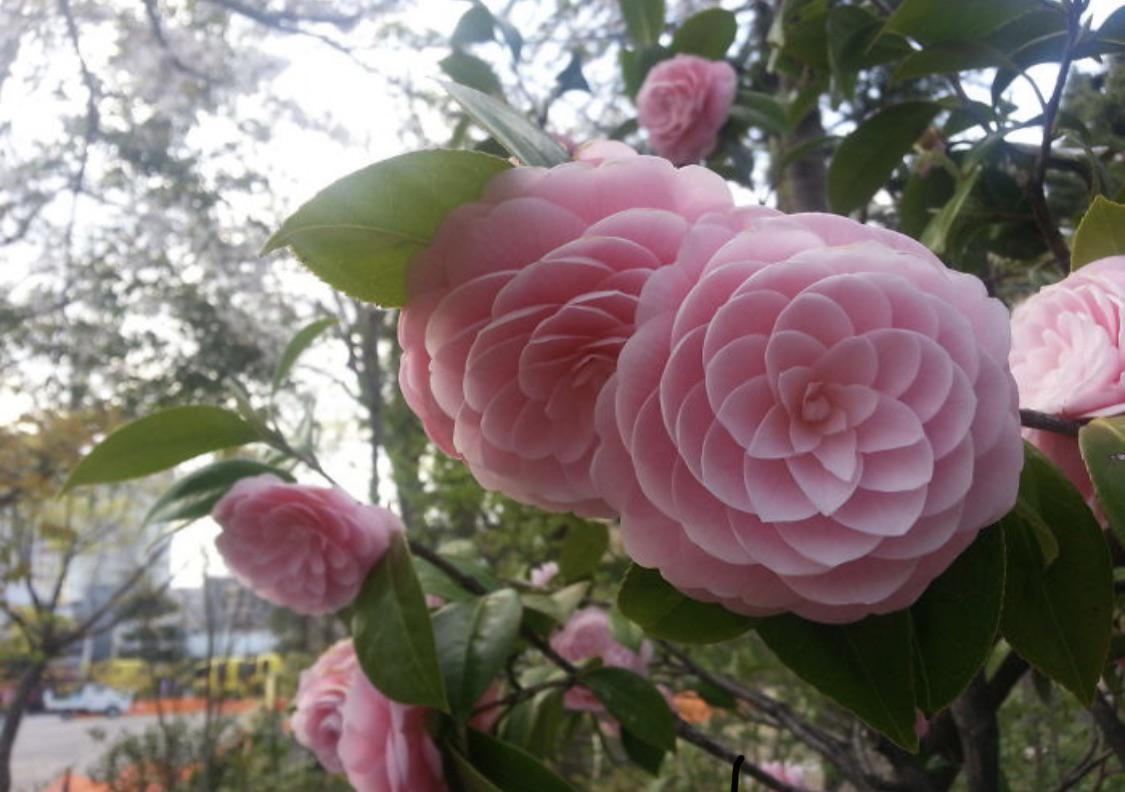
photo of the pattern on a pink flower showing the phi curve

Rabatment

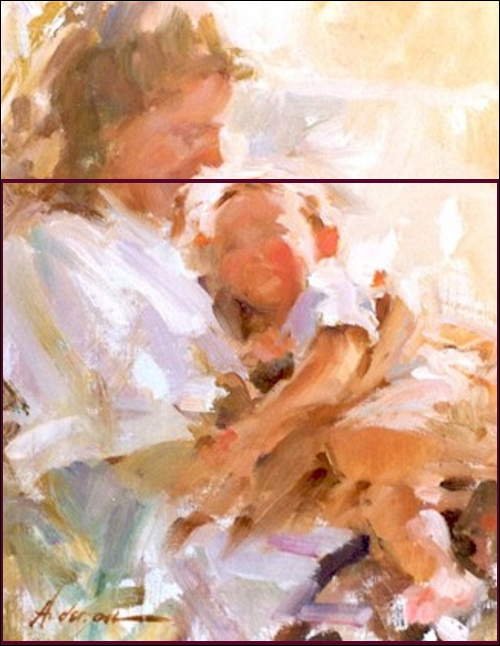
Rabatment is a simplified version of the golden ratio, where one ignores the exact ratio of 1 to 1.618 and cuts the composition with a square created by the smallest dimension. This line that is created is seen as an important compositional guide.

The concept of rabatment can be applied to rectangles of any proportion. For rectangles with a 3:2 ratio, it happens that the rabatment lines are exactly matched to the rule of thirds lines. In essence rabatment and rule of thirds (see below) are both approximations of the division created by the golden ratio for rectangles that are not in the golden ratio.
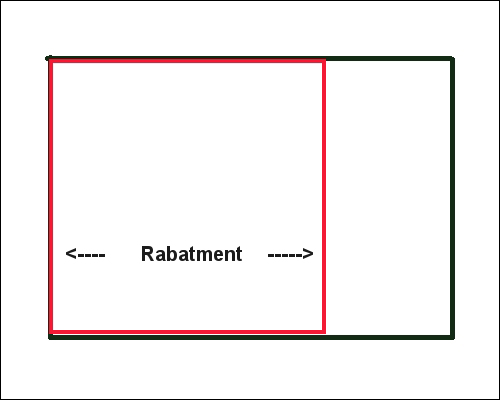
graphic with a square and a rectangle to show how rabatment it determined

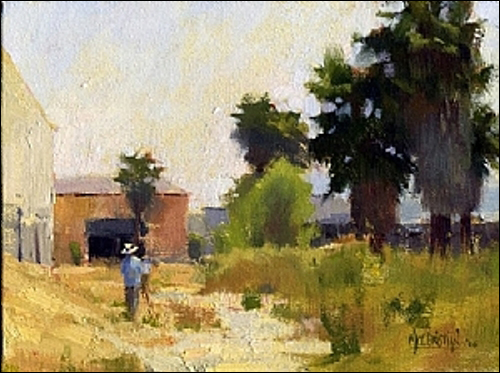
image of a painting with a man in a landscape

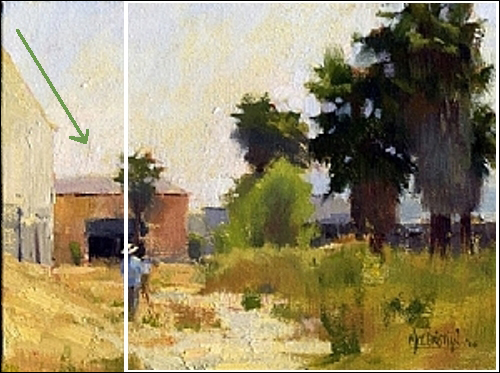
image of a painting with a man in a landscape with a rabatment graphic laid on top
This white line was created through rabatment. Notice the artist placed a figure and tree along that same axis. The theory is that by using rabatment, you can find a compositional "sweet spot" for placing of an important element.

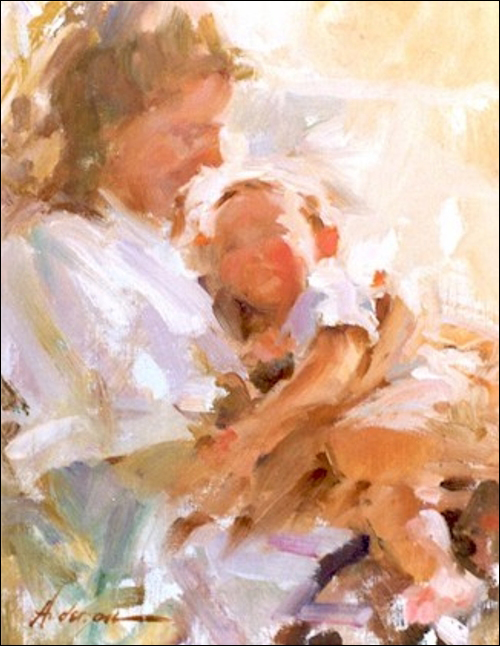
image of a painting with woman and child

image of a painting with woman and child with a rabatment square laid on top

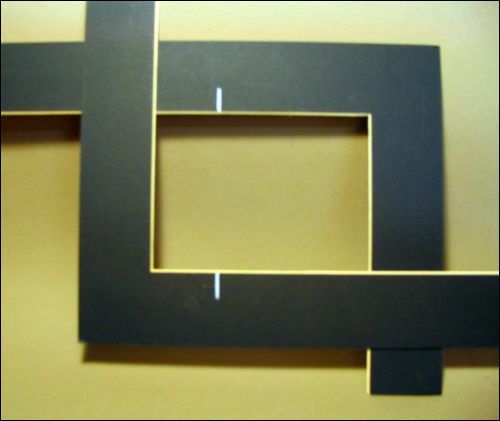
photo of two l-shaped pieces of matboard used to make a rabatment viewfinder
Rabatment View Finder

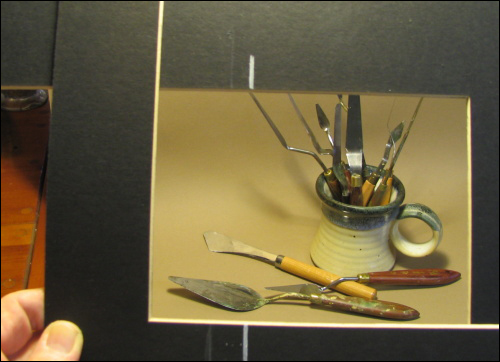
photo of a rabatment viewfinder used to determine the best composition of a still-life
Rabatment View Finder

Rule of Thirds

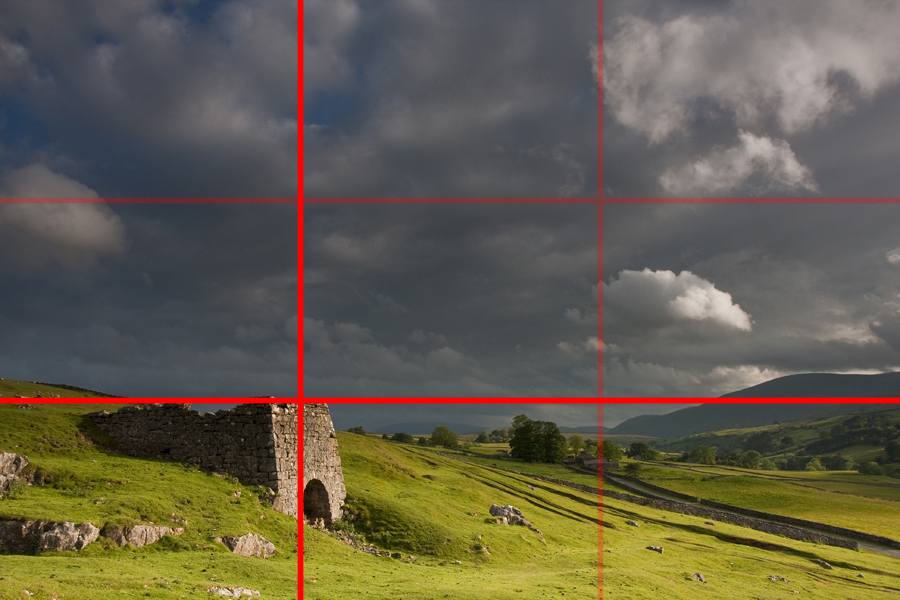
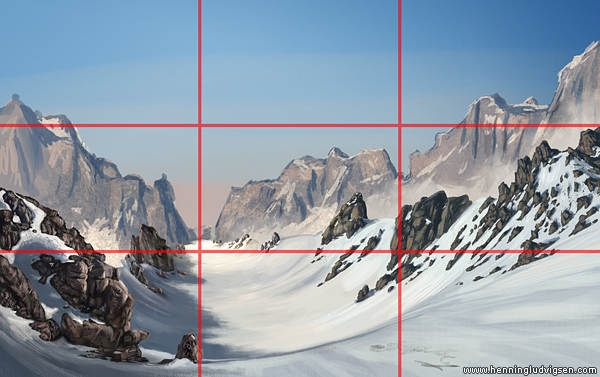
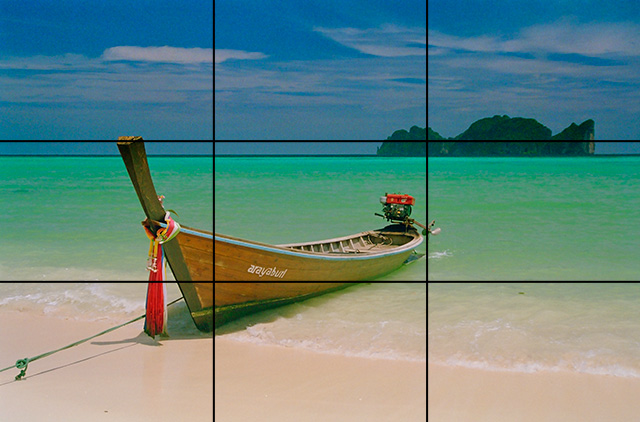
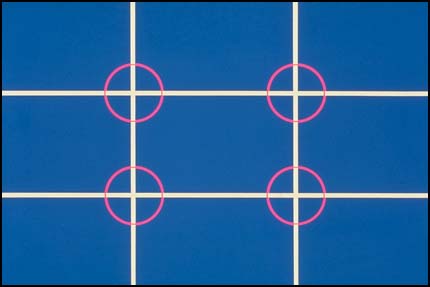
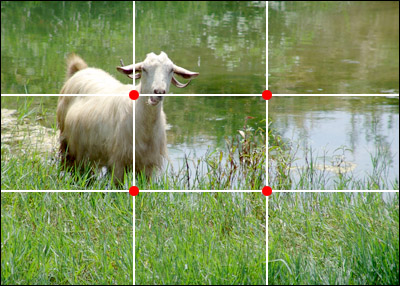
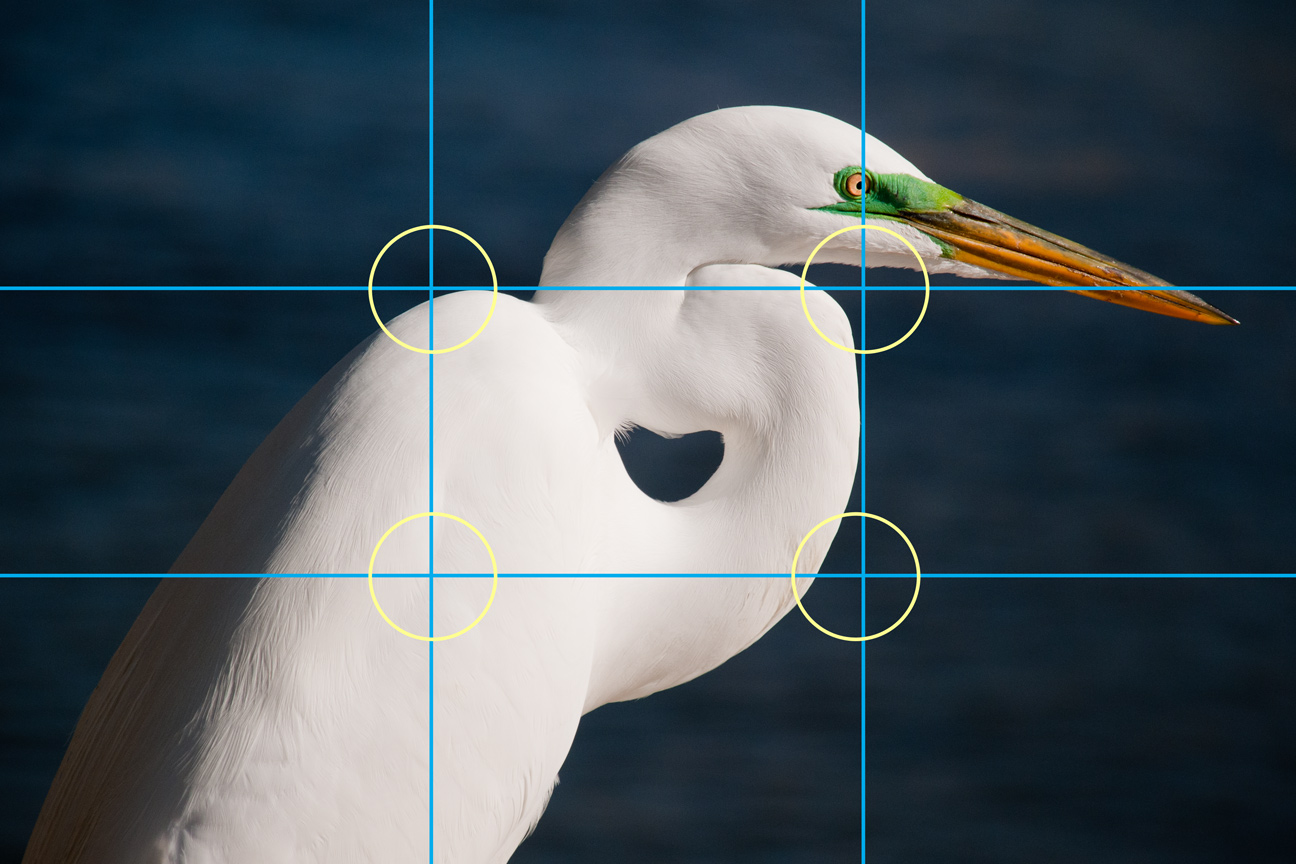
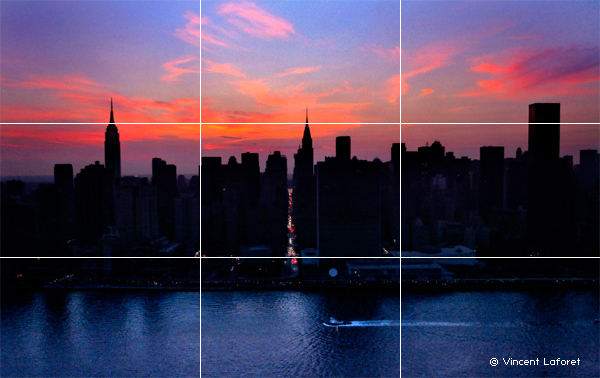
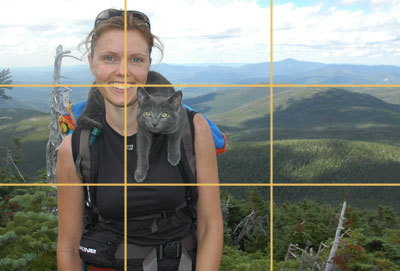
You may have seen a grid with lines like these on your cell phone camera or on a digital camera. These lines are 1/3 from each side and 1/3 from the top and bottom. These lines approximate the line created by using the golden ratio. They are a short hand for the ratio similar to using rabatment.

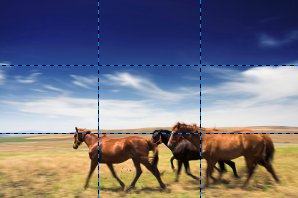
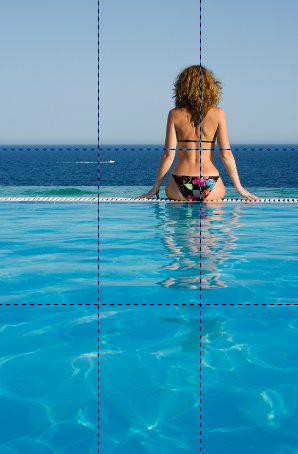
Placing the horizon at a horizontal 1/3 line is often seen as pleasing compositionally. You will also seen some dots where the lines intersect. Placing important pictorial elements at these intersections often results in a pleasing composition.
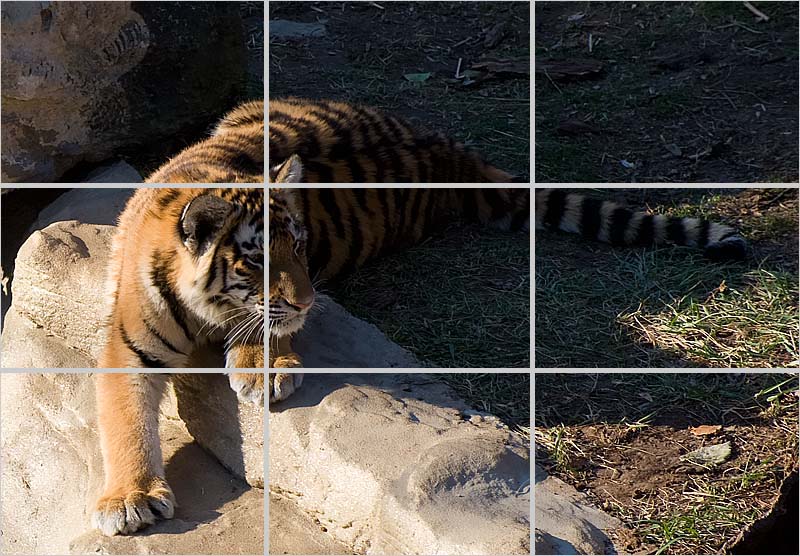
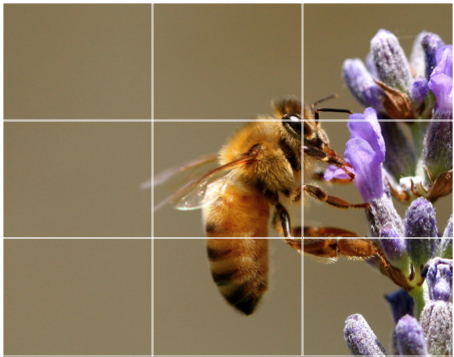

photo of tiger with 1/3 lines overlaid on top

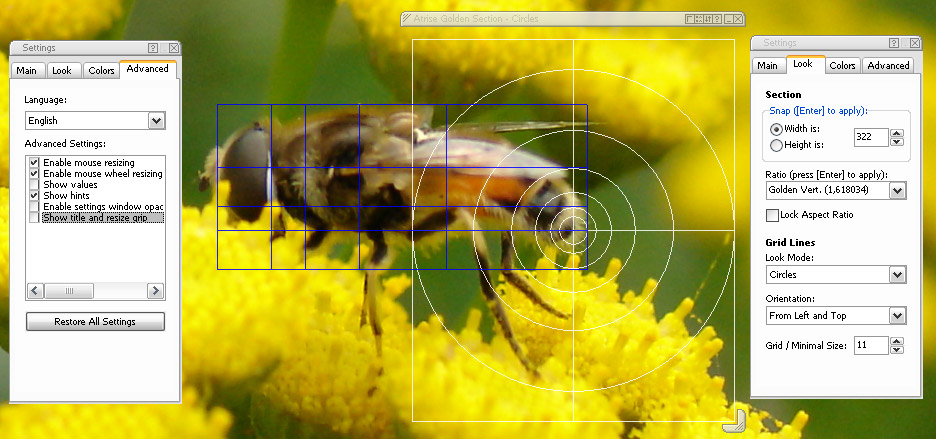
photo of bee with 1/3 lines overlaid on top

photo with 1/3 lines overlaid on top

photo with 1/3 lines overlaid on top

photo with 1/3 lines overlaid on top

photo with 1/3 lines overlaid on top

photo with 1/3 lines overlaid on top

photo with 1/3 lines overlaid on top

photo with 1/3 lines overlaid on top

photo with 1/3 lines overlaid on top

photo with 1/3 lines overlaid on top

photo with 1/3 lines overlaid on top

photo with 1/3 lines overlaid on top